
Plano Rhinoplasty (Nose Job) Surgeon
Contact Dr. Law For your Personalized consultation
Reserve Your Consultation


Rhinoplasty FAQs Answered By Dr. Law
Dr. Huay-Zong Law – Plano Rhinoplasty Specialist
Seeking rhinoplasty in Plano? Dr. Huay-Zong Law offers specialized nose surgery to address both aesthetic and functional nasal concerns. Whether you’re looking to refine your nasal shape, correct breathing difficulties from a deviated septum, or restore balance after nasal trauma, scheduling a rhinoplasty consultation with Dr. Law could be your first step toward achieving your surgical goals. Don’t let nasal concerns affect your confidence—embrace the opportunity for enhanced facial harmony and improved breathing function.
Things To Know About Rhinoplasty in Plano, TX
- Rhinoplasty surgery can address both cosmetic concerns like dorsal humps and bulbous tips, as well as functional issues including breathing problems and deviated septum correction.
- Dr. Law’s comprehensive consultation process includes physical examination, medical history review, and computer imaging to help patients visualize their desired shape with realistic expectations.
- Proper preparation and postoperative care are essential for optimal rhinoplasty recovery, with most patients seeing significant improvement within weeks and final results emerging over 12 months.
Understanding Nasal Structure and Common Concerns
The nose’s structure is a sophisticated combination of bone, cartilage, and soft tissue that determines both appearance and function. The upper third consists of nasal bones forming the bridge, while the middle and lower thirds are composed of cartilage—including upper lateral, lower alar, and septal cartilage. The nasal tip is defined by the lower lateral cartilages, which control projection, rotation, and nostril shape.
Common aesthetic concerns bring many rhinoplasty patients to seek consultation. Studies show that up to 90% of candidates report concern about a dorsal hump, while 60-70% seek refinement of a bulbous nasal tip. Other frequent concerns include nostril asymmetry, over-projected or drooping tips, and a wide nasal bridge that disrupts facial features.
Functional issues often accompany aesthetic concerns. A deviated septum can obstruct nasal passages and significantly impair breathing function. Nasal valve collapse, enlarged turbinates, and chronic sinusitis frequently contribute to breathing difficulties. Research indicates that over 50-60% of patients seeking rhinoplasty also experience some degree of nasal obstruction.
Genetics, nasal trauma, and aging all influence nasal appearance and function. Ethnic variations affect skin thickness, cartilage strength, and nasal proportions. Injuries from sports or accidents can distort nasal bones and cartilage. As we age, cartilage weakens, soft tissues lose elasticity, and the nasal tip may droop—all factors that Dr. Law carefully evaluates during consultation.
Evaluating Candidacy for Rhinoplasty
A comprehensive consultation with Dr. Huay-Zong Law begins the rhinoplasty journey for prospective patients. During this evaluation, patients discuss their aesthetic goals and functional concerns in detail, ensuring Dr. Law understands exactly what they hope to achieve.
The physical examination involves inspecting the nose’s external appearance and internal structure. Using specialized instruments, Dr. Law evaluates nasal septum position, turbinate size, and nasal valve function. Skin thickness and cartilage strength are assessed, as these factors significantly influence surgical technique and outcomes.
Medical history review covers previous nasal surgeries, trauma history, bleeding disorders, allergies, and current medications. Patients who have undergone prior nose surgery require special consideration, as revision rhinoplasty presents unique challenges including scar tissue and potentially depleted cartilage.
Computer imaging helps patients visualize potential results, aligning expectations with what’s surgically achievable. This technology allows Dr. Law to demonstrate various changes and ensure patients understand both possibilities and limitations before proceeding with their surgical plan.
The Rhinoplasty Procedure
The rhinoplasty procedure offers two primary approaches: open rhinoplasty and closed rhinoplasty. In a closed procedure, all incisions are made inside the nostrils, resulting in no visible scarring and often faster recovery. Open rhinoplasty involves a small incision across the columella (the narrow strip between nostrils), providing excellent visualization for complex cases requiring significant reshaping.
General anesthesia is administered to ensure patient comfort throughout the surgical procedure. This allows Dr. Law to work with precision while patients remain completely unaware during surgery.
Typical procedure duration ranges from 1-3 hours for primary rhinoplasty surgery, depending on complexity. Revision cases or those combining functional rhinoplasty with aesthetic correction may require additional time—sometimes reaching 3-4 hours when extensive grafting is necessary.
During nose surgery, Dr. Law reshapes bone and cartilage to achieve the desired contours. This may involve reducing a dorsal hump, refining the nasal tip, adjusting nostril width, or correcting asymmetries. The surgical technique is customized based on each patient’s unique anatomy and goals.
Closure involves repositioning the soft tissue envelope and suturing incisions. External splints and sometimes internal packing are placed to support healing and maintain the new shape during initial recovery.
Ideal Candidates for Rhinoplasty
Patients seeking aesthetic improvement of nasal appearance often make excellent candidates for cosmetic rhinoplasty. Those bothered by a prominent hump, bulbous tip, or asymmetrical features may find significant benefit from this procedure.
Individuals with breathing difficulties due to structural issues—such as deviated septum or nasal valve collapse—are ideal candidates for functional rhinoplasty. Many patients choose to address both aesthetic and functional concerns simultaneously.
A good candidate maintains realistic expectations about what rhinoplasty can achieve. While dramatic improvements are possible, understanding that perfection isn’t realistic—but facial harmony and proportion are—leads to greater satisfaction.
Patients in good overall health with stable nasal anatomy (typically adults with completed facial growth) are well-suited for nose surgery. Non-smokers or those willing to quit smoking for optimal healing see better outcomes.
Individuals motivated by personal goals rather than external pressure demonstrate the psychological stability essential for successful outcomes. The decision to pursue rhinoplasty should come from within, reflecting a genuine desire for self-improvement.
Benefits of Rhinoplasty Surgery
Enhanced facial harmony represents the primary benefit most patients seek from rhinoplasty. When the nose’s size and shape complement other facial features, overall facial balance improves significantly.
Improved breathing function accompanies rhinoplasty when structural issues are addressed. Patients often notice easier nasal breathing within weeks of surgery, with some experiencing reduced snoring and better sleep quality.
Increased self-confidence frequently results from rhinoplasty surgery. Many rhinoplasty patients report feeling more comfortable in social situations and less self-conscious about their appearance after achieving natural looking results.
Long-lasting results make rhinoplasty a worthwhile investment. Because structural changes to bone and cartilage are permanent, patients enjoy their new shape for years to come—a distinct advantage over non-surgical alternatives.
Correction of congenital abnormalities or trauma-related deformities restores both function and appearance. Whether addressing issues present from birth or resulting from injury, rhinoplasty offers a permanent solution.
The Rhinoplasty Procedure With Dr. Huay-Zong Law
Dr. Huay-Zong Law is a board certified plastic surgeon renowned for his expertise in rhinoplasty. His training includes medical school at Washington University in St. Louis, a 6-year integrated plastic surgery residency at UT Southwestern Medical Center, and a fellowship in craniofacial surgery at Medical City Dallas and Baylor University Medical Center.
Each rhinoplasty performed by Dr. Law reflects his personalized approach to facial plastic surgery. He develops a customized surgical plan based on individual anatomy, ensuring that results complement each patient’s unique facial features while respecting ethnic characteristics.
The rhinoplasty procedure is an outpatient surgery, allowing most patients to return home the same day. This convenience, combined with Dr. Law’s patient first philosophy, makes the experience as comfortable as possible.
Integration of advanced techniques—including preservation rhinoplasty methods that maintain natural anatomy while achieving desired changes—allows Dr. Law to minimize swelling and recovery time when appropriate. When functional improvements are needed, he seamlessly combines aesthetic reshaping with septoplasty or valve repair.
During the Procedure
Administration of general anesthesia ensures complete patient comfort throughout the surgical procedure. Once anesthesia takes effect, the surgeon proceeds with precise incision placement.
Depending on the approach selected, incisions are made either inside the nostrils (closed procedure) or include a small incision across the columella (open procedure). The open technique provides superior visualization for revision cases, complex tip work, or significant structural changes, while the closed approach offers minimal scarring and potentially faster recovery.
Careful reshaping of nasal bone and cartilage structures follows. This may involve removing or adjusting the deviated portions, reducing a dorsal hump, or restructuring tip cartilages. When needed, cartilage grafts from the septum, ear, or rib provide structural support and definition.
Refinement of the nasal tip, bridge, and nostril contours requires meticulous attention to detail. Dr. Law balances aesthetic goals with functional considerations, ensuring that changes enhance both appearance and breathing function.
Closure of incisions and placement of protective splinting complete the procedure. External splints remain for approximately 7-10 days to support the new shape during initial healing.
Preparing for Rhinoplasty Surgery
Pre-operative instructions from Dr. Law’s team prepare patients for successful surgery. These guidelines address nutrition, hydration, and any specific preparations needed based on individual health factors.
Medication adjustments are essential before rhinoplasty. Patients must stop taking blood-thinning substances including aspirin, certain anti-inflammatory drugs, and some supplements several weeks before surgery to reduce bleeding risk.
Smoking cessation requirements significantly impact healing. Patients should quit smoking at least 4-6 weeks before surgery and continue avoiding tobacco during recovery, as smoking impairs blood flow and delays healing.
Arrangement of post-operative care and transportation ensures a smooth recovery. Since general anesthesia is used, patients cannot drive themselves home and should have someone available to assist during the first 24-48 hours.
A final consultation reviews the surgical plan and confirms that realistic expectations align with planned outcomes. This meeting also provides an opportunity to address any remaining questions before the procedure.
Recovery Process and Post-Operative Care
Initial rhinoplasty recovery involves swelling, bruising, and mild discomfort that peak around days 2-3. Nasal splints remain in place, and patients may experience congestion due to internal swelling.
Pain management with prescribed medications keeps patients comfortable during early recovery. Acetaminophen is typically recommended, while aspirin and anti-inflammatory medications are avoided to reduce bleeding risk.
Activity restrictions for the first 2-6 weeks protect healing structures. Patients should avoid strenuous exercise, bending, heavy lifting, and contact sports. Sleeping with the head elevated minimizes swelling.
Nasal splint removal typically occurs around day 7-10, marking an important milestone. Follow up visits allow Dr. Law to monitor healing progress and address any concerns.
The long-term healing process extends up to one year or more. While most swelling resolves within 2-3 months, subtle refinements—particularly in the nasal tip—continue for 12-24 months as tissues fully settle.
Signs requiring immediate medical attention include severe unilateral swelling, uncontrolled bleeding, signs of infection (fever, pus), breathing severely impaired, or concerning changes in skin color. Patients should contact Dr. Law’s office immediately if these occur.
Combining Rhinoplasty with Other Procedures
Many patients combine rhinoplasty with septoplasty for functional breathing improvement. This combination addresses both aesthetic concerns and breathing problems in a single surgical session, treating deviated septum issues while reshaping the nose’s external appearance.
Facial procedures for comprehensive aesthetic enhancement may be performed alongside rhinoplasty. Some patients choose additional facial plastic surgery to achieve harmonious results across multiple features.
Benefits of combined surgeries include a single recovery period, reducing overall downtime compared to separate procedures. This efficiency appeals to patients with busy schedules who want comprehensive results without multiple recovery phases.
Customized treatment plans address multiple concerns while ensuring safety. Dr. Law carefully evaluates each patient to determine which combinations are appropriate and beneficial for their specific situation.
Long-Term Benefits and Results
Permanent structural changes provide lasting results that distinguish rhinoplasty from non-surgical alternatives. Once bone and cartilage are reshaped, these modifications remain stable over time.
Gradual refinement continues as swelling subsides over months. Patients see progressive improvement, with the final new shape emerging around the one-year mark. This extended timeline requires patience but delivers natural results.
Enhanced facial balance and improved self-image represent the most meaningful outcomes for many patients. When the nose harmonizes with other facial features, overall appearance improves without drawing attention to any single feature.
Potential breathing improvements with functional corrections provide lasting relief from nasal obstruction. Patients often report sustained improvement in airflow, sleep quality, and overall comfort.
Maintenance of natural looking results over time reflects Dr. Law’s commitment to techniques that age well. Avoiding over-resection and maintaining proper structural support ensures results that look natural for years to come.
Scheduling A Rhinoplasty Consultation with Dr. Law
If you’re looking for an experienced, compassionate rhinoplasty expert, contact Law Plastic Surgery today. Dr. Huay-Zong Law is dedicated to providing each patient with exceptional care and natural beauty enhancement.
Law Plastic Surgery is conveniently located at 7777 Forest Ln, C-528, Dallas, TX 75230. The Plano location at 7211 Preston Rd, 3rd Floor, Clinic A offers additional convenience for patients in the northern Dallas metro area.
To schedule an appointment, call (214) 241-1997. Taking the first step toward your rhinoplasty journey—whether for aesthetic enhancement or improved breathing—is just a phone call away.
Choosing Dr. Law For Your Rhinoplasty
In summary, rhinoplasty offers a transformative solution for those seeking improved nasal appearance and function. By correcting structural issues and refining contours, patients experience enhanced facial harmony, better breathing, and increased confidence. Dr. Huay-Zong Law’s expertise as a board certified plastic surgeon ensures that each patient receives personalized care and exceptional natural results.
Frequently Asked Questions
What is rhinoplasty?
Rhinoplasty is a surgical procedure designed to reshape the nose for aesthetic improvement or functional correction. Also known as a nose job, this surgery can address concerns ranging from dorsal humps and bulbous tips to breathing difficulties caused by structural abnormalities like deviated septum.
Who is an ideal candidate for rhinoplasty?
An ideal candidate for rhinoplasty is an adult with completed facial growth (typically mid-to-late teens or older) who is in good overall health. Suitable patients have specific aesthetic goals or functional concerns, maintain realistic expectations, and are motivated by personal reasons rather than external pressure. Non-smokers or those willing to quit smoking achieve optimal healing.
How long does the rhinoplasty procedure take?
The rhinoplasty procedure typically takes between 1-3 hours, depending on complexity. Primary cosmetic rhinoplasty may require 1-2 hours, while revision rhinoplasty or cases combining functional corrections may take 3-4 hours or longer due to additional structural work and grafting requirements.
What can I expect during the recovery process?
During rhinoplasty recovery, expect swelling, bruising, and mild discomfort initially, with symptoms peaking around days 2-3. External splints are removed around day 7-10. Most patients return to non-strenuous activities within 2 weeks, though recovery time varies. Full healing with final results takes approximately 12 months.
How do I schedule a consultation with Dr. Huay-Zong Law?
To schedule a rhinoplasty consultation with Dr. Law, simply call Law Plastic Surgery at (214) 241-1997. During your comprehensive consultation, you’ll discuss your aesthetic goals and functional concerns, undergo examination, and review imaging to visualize potential results.
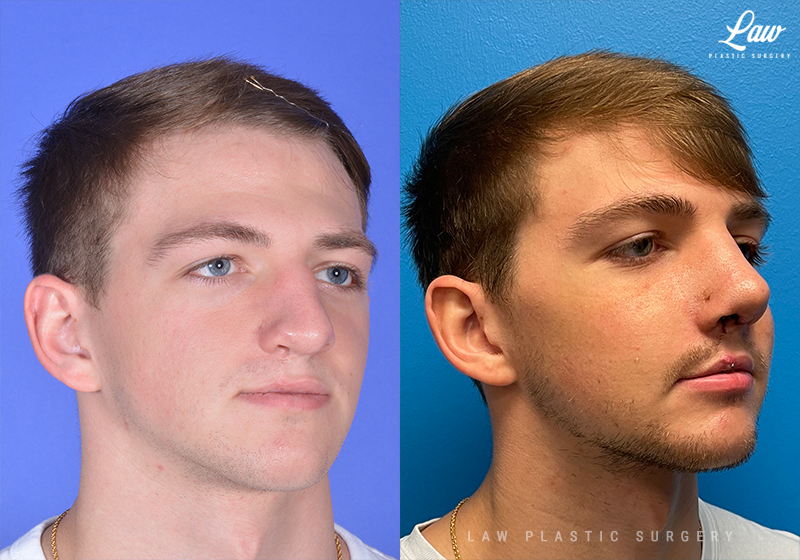
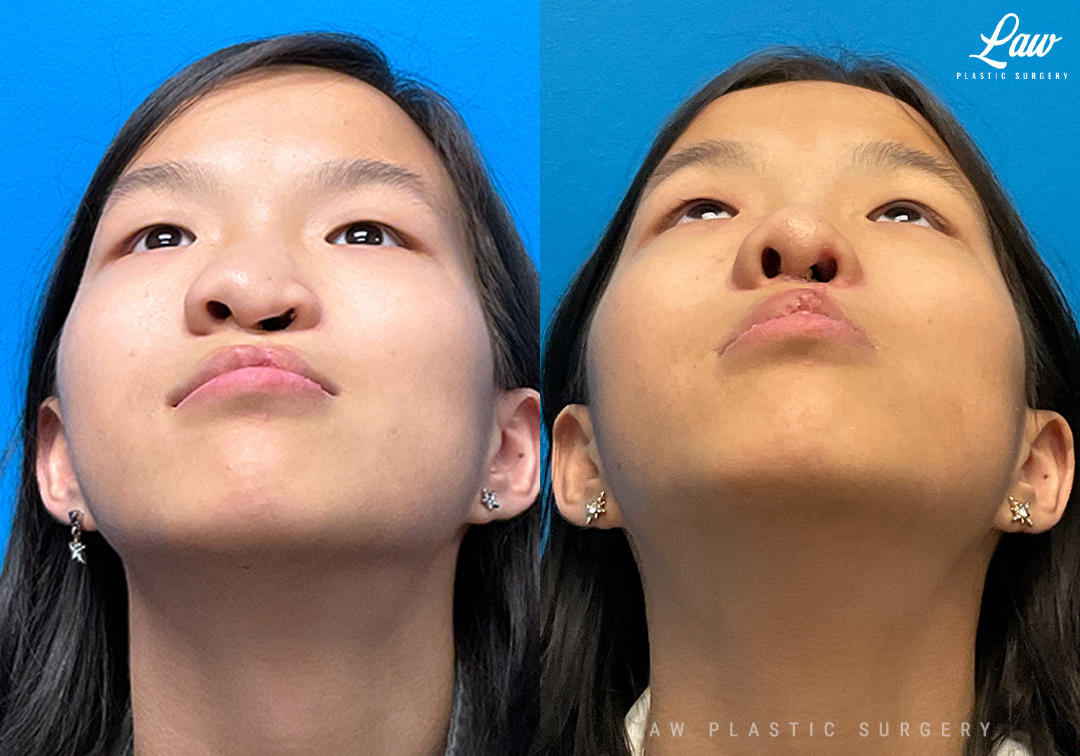
Rhinoplasty Before & Afters Photos
Click the image below to view more before and after photos.
Related Procedures