
Carrollton Cleft Lip Repair
Reserve Your Consultation


Cleft Lip Repair FAQs Answered by Dr. Law
Download Your Surgery Guide


Cleft Lip Repair in Carrollton, TX With Dr. Huay-Zong Law
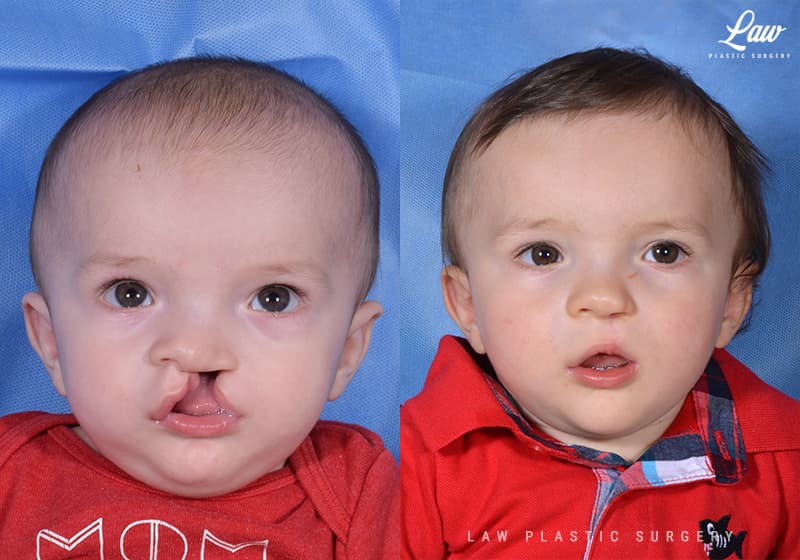
If you’re looking for cleft lip repair in Carrollton, TX, Dr. Huay-Zong Law provides expert surgical care to address this condition. In this article, we’ll cover what cleft lip and palate are, causes, available surgical procedures, and the importance of early intervention. You’ll also learn about Dr. Law’s expertise and how he can help your child achieve the best possible outcomes.
Things To Know About Cleft Lip Repair
- Cleft lip and palate are congenital conditions that can lead to various health challenges, and early diagnosis and intervention are crucial for successful treatment.
- Surgical repair techniques, such as the Rotation Advancement Repair Technique, are tailored to individual needs and are typically performed between three to six months of age, enhancing functional and aesthetic outcomes.
- A multidisciplinary team approach involving various specialists is essential for comprehensive care, addressing both the medical and psychosocial needs of children with cleft lip and palate.
Cleft Lip and Palate Overview
Cleft lip and palate are congenital conditions that occur when there is a gap or split in the lip and/or the roof of the mouth. During fetal development, the facial structures that form the upper lip and palate develop separately and typically fuse together. However, if this fusion process does not occur correctly, an opening remains, resulting in a cleft lip occurs or palate. Cleft lip can present as a unilateral or bilateral cleft, affecting either one or both sides of the lip.
The incidence of cleft lip and palate in the United States is approximately 1 in 500 births, with a higher incidence rate among Asians compared to Caucasians. These conditions can lead to various health issues, including:
- feeding difficulties
- speech problems
- dental issues
- frequent ear infections.
Early diagnosis and intervention help ensure successful treatment and minimize associated health challenges.
Causes of Cleft Lip and Palate
The development of cleft lip and palate results from a complex interplay of genetic and environmental factors. While about 70% of cases are non-syndromic, meaning they occur without any associated syndromes, the exact causes can be difficult to pinpoint. Genetic inheritance plays a significant role, but environmental factors such as maternal smoking, certain medications, and nutritional deficiencies during early pregnancy can also contribute to the development of these conditions.
Epidemiological studies have shown that the incidence rates of cleft lip and palate vary across different racial and ethnic groups, further complicating the identification of specific causes. Understanding these factors can help in developing preventive measures and providing better care for affected individuals.
Surgical Procedures for Cleft Lip Repair
Cleft lip repair, also known as cleft lip surgery, involves various surgical procedures tailored to the type and severity of the cleft. The primary goal of these surgeries is to restore normal appearance and function to the lip, facilitating better eating, speaking, and overall quality of life. Typically, treating cleft lip repair surgery is performed between the ages of three to six months, with early intervention being crucial for optimal outcomes.
The surgery is performed under general anesthesia to ensure the child’s comfort and safety. The duration of the procedure can vary, generally lasting between two to six hours depending on the complexity of the cleft. During the initial consultation, Dr. Huay-Zong Law assesses each patient to determine the most appropriate surgical approach, which may include cleft palate repair and cleft rhinoplasty for comprehensive treatment.
In some cases, additional procedures may be required to address other aspects of the cleft or to refine the results of the initial surgery. These may include dental implants, secondary surgeries, or rhinoplasty to further enhance the cosmetic and functional outcomes. Having a skilled craniofacial surgeon like Dr. Law plan and execute these surgeries ensures the best possible results.
Rotation Advancement Repair Technique
The Rotation Advancement Repair Technique is the most commonly used method for orofacial cleft repairing. This advanced technique involves rotating and advancing tissue to close the cleft, ensuring a more natural appearance and better functional outcomes.
With advanced training and expertise, the doctor Huay-Zong Law ensures patients receive the highest standard of care.
Primary Nasal Repair
Primary nasal repair surgery is often performed concurrently with the first cleft lip repair procedure to enhance both the structure and function of the nose. This approach is crucial for improving nasal symmetry and breathing, which are often affected by the cleft. Dr. Huay-Zong Law’s expertise in craniofacial surgery ensures both the lip and nasal structures are properly aligned and functional from an early age, addressing these complexities effectively.
Performing nasal repair alongside cleft lip repair maximizes the benefits of the surgery and reduces the need for additional procedures later in life. This integrated approach not only improves the immediate aesthetic outcomes but also supports better long-term development and function for the child.
The Role of Presurgical Manipulation Molding Devices
Presurgical manipulation molding devices play a crucial role in optimizing surgical outcomes for children with cleft lip and palate. These devices, including lip taping, lip adhesion, and the Latham Appliance, help in aligning the facial structures before surgery, making the surgical procedure more effective. The Nasoalveolar Molding (NAM) Device, in particular, is designed to improve nasal symmetry and the position of the columella, which is vital for achieving better aesthetic results.
The use of these devices is recommended for infants with specific cleft characteristics, as they facilitate optimal surgical preparation. Gradually aligning the maxillary segments with devices like the Latham Appliance significantly enhances surgical outcomes and reduces the need for extensive corrections later on.
At Law Plastic Surgery, these advanced presurgical techniques are part of the comprehensive care provided by plastic surgeons to ensure the best possible results for each child through pediatric plastic surgery.
Importance of Early Intervention
Early intervention is crucial because the first trimester of pregnancy is a critical period for the development of facial structures. Timely treatment can prevent a range of health issues, including:
- Feeding difficulties
- Speech impairments
- Social integration challenges Corrective procedures performed at an optimal age support facial growth and speech therapy development, significantly enhancing the child’s overall health outcomes.
Early intervention also includes:
- Anticipatory guidance from healthcare providers, helping parents understand the surgeries and developmental expectations.
- Addressing feeding difficulties early on to prevent malnutrition and support proper growth.
- Timely interventions that can improve a child’s self-esteem and social interactions, setting the stage for a better quality of life.
Multidisciplinary Team Approach
A multidisciplinary team approach is crucial in providing comprehensive care for children with cleft lip and palate. This team typically includes:
- Pediatric plastic and craniofacial surgeons
- Oral surgeons
- Pediatric dentists
- Speech therapists
- Orthodontists
- Social workers
- Geneticists
- Craniofacial team
Each specialist plays a crucial role in addressing the unique needs of the child, covering all aspects of health and child’s development.
Collaboration among these various specialists significantly enhances overall treatment outcomes, focusing on improving appearance, function, and psychosocial health. At institutions like the UT Southwestern Department, experts like Doctors Huay-Zong Law and James Seaward work together to provide top-notch care for children in North Texas, ensuring each child receives a tailored treatment plan.
Parental Involvement in Cleft Lip Repair
Parental involvement is crucial for emotional support and enhancing treatment outcomes for infants undergoing cleft lip repair. Parents and guardians play a critical role in the treatment process, from pre-surgical preparation to post-surgery recovery. Their support and care can significantly impact the child’s comfort and overall success of the treatment.
Pre-surgical guidelines, such as eating and drinking instructions, are provided to parents to ensure the infant’s safety. During the recovery process, parents are essential for comforting the child and adhering to post-surgical care instructions. Their involvement helps monitor the child’s progress and address any concerns, ensuring a smooth and successful recovery.
Post-Surgery Care and Recovery
Post-surgery care is a critical phase in the cleft lip repair process. Parents should be vigilant in monitoring for signs of infection, such as pus or unusual bleeding from the surgical site. Key points to consider include:
- The incisions may take several weeks to heal.
- Stitches typically dissolve within one to two weeks.
- Pain management is essential, with medications often administered every four to six hours for the first few days post-surgery.
Dietary adjustments are also necessary immediately following surgery. Infants should:
- Consume only liquids and soft foods to ensure proper healing.
- Eat smooth foods like pudding, yogurt, and blended items until the surgical site has sufficiently healed.
- Avoid using straws and utensils until Dr. Huay-Zong Law approves their use.
Regular follow-up visits are scheduled to monitor the patient’s recovery and address any complications that may arise.
Swelling and bruising around the patient’s mouth are common and may last several days. It’s important for parents to follow the care instructions provided by Dr. Law, including cleaning the surgical area with a peroxide and water mixture and applying antibiotic ointment once the sutures are removed.
Proper care during this critical period ensures the best possible outcomes and smooth recovery for the birth child.
Long-Term Outlook for Children with Cleft Lip
The long-term outlook for children with cleft lip and palate has significantly improved thanks to advancements in surgical techniques and comprehensive care. Key points include:
- Children with complete bilateral cleft lip and palate typically require an average of 5.9 surgical interventions throughout their treatment.
- Secondary surgeries, including revisional lip and nose surgeries, are common.
- Over 70% of patients need these secondary procedures at various stages of their development.
Many children also face issues with velopharyngeal insufficiency, requiring additional surgical procedures to address these challenges. Ongoing dental care and orthodontic treatment are often necessary as children reach adulthood, ensuring that both aesthetic and functional outcomes are maintained. Studies have shown that children treated with Nasoalveolar Molding (NAM) may require fewer corrective surgeries later compared to those who did not receive this intervention.
With proper treatment and care, children with cleft lip and palate can lead normal lives despite needing multiple interventions. Advancements in surgical techniques and dental care have enabled these children to achieve normal speech, appearance, and dental function, significantly improving their quality of life.
How to Schedule an Appointment With Dr. Huay Zong Law
To schedule an appointment with Dr. Huay-Zong Law for cleft lip repair, call (972) 895-8866. During the initial consultation, Dr. Law will discuss your child’s medical history and treatment options, providing a comprehensive plan tailored to your child’s specific needs.
As a board-certified and highly experienced plastic surgeon, Dr. Law is dedicated to offering compassionate care and expert treatment for children with orofacial clefts, including referrals to an oral surgeon when necessary.
Choosing Dr. Law for Cleft Lip Repair
Cleft lip and palate repair is a multifaceted process that involves early diagnosis, surgical intervention, and comprehensive care from a multidisciplinary team. Early intervention is crucial for minimizing health issues and supporting the child’s overall development. Dr. Huay-Zong Law and his team at Law Plastic Surgery provide expert care, utilizing advanced techniques like Rotation Advancement Repair and primary nasal repair to achieve optimal outcomes.
Parents play a vital role in supporting their child’s treatment and recovery, ensuring adherence to pre and post-surgical guidelines. The long-term outlook for children with cleft lip and palate has greatly improved, with advancements in surgical and dental care enabling them to lead normal, healthy lives. Trust in the expertise of Dr. Law and his team to guide you through this journey, providing the best possible care for your child.
Frequently Asked Questions
What age is best for cleft lip repair?
The best age for cleft lip repair is typically between three and six months old. This timing allows for optimal surgical outcomes and functional restoration.
What causes cleft lip and palate?
Cleft lip and palate are caused by a combination of genetic inheritance and environmental factors. The development of these conditions results from complex interactions among various influences.
At what age is cleft lip repair surgery typically performed?
Cleft lip repair surgery is typically performed between the ages of three to six months, as early intervention is essential for the best results.
What is the role of presurgical manipulation molding devices?
Presurgical manipulation molding devices, like the Nasoalveolar Molding (NAM) Device, play a crucial role in aligning facial structures prior to surgery, thus enhancing surgical results and minimizing the potential for extensive corrections in the future.
How can parents support their child’s recovery after cleft lip surgery?
To effectively support your child’s recovery after cleft lip surgery, it’s crucial to monitor for signs of infection, manage pain with prescribed medications, adhere to dietary guidelines, and attend regular follow-up appointments. This proactive approach ensures optimal healing and peace of mind.
Related Procedures