
Plano Revision Rhinoplasty Specialist
Contact Dr. Law For your Personalized consultation
Reserve Your Consultation


Rhinoplasty FAQs Answered By Dr. Law
Dr. Huay-Zong Law – Plano Revision Rhinoplasty Specialist
Seeking revision rhinoplasty in Plano? Dr. Huay-Zong Law offers specialized surgical expertise to address complications from previous nose surgery. If you are struggling with unsatisfactory results from a prior rhinoplasty, breathing difficulties, or aesthetic concerns following initial surgery, scheduling a consultation with Dr. Law could be your first step towards achieving the nose you’ve always wanted. Don’t let a failed rhinoplasty hold you back—embrace the opportunity for corrective surgery and renewed confidence.
Things To Know About Revision Rhinoplasty
- Failed rhinoplasty can result from technical errors, over-removal of nasal cartilage, or poor healing, leading to aesthetic and functional problems that require specialized correction.
- Revision rhinoplasty is a complex surgical procedure that rebuilds nasal structure using advanced surgical techniques and cartilage grafting to restore both function and appearance.
- Proper timing, expert evaluation, and comprehensive postoperative care are essential for successful revision rhinoplasty outcomes and long-term patient satisfaction.
Understanding Failed Rhinoplasty and the Need for Revision
When primary rhinoplasty does not achieve the desired outcome, patients often experience both physical discomfort and emotional distress. Understanding why initial surgery may fail is the first step toward finding an effective solution through revision rhinoplasty surgery.
Technical surgical errors represent one of the most common causes of rhinoplasty failure. These include over-resection of nasal cartilage, which can lead to structural collapse, or inadequate support of the nasal tip, resulting in drooping or asymmetry over time. Poor structural support during the original surgery may cause the nose to lose definition as scar tissue develops and healing forces reshape the nasal anatomy.
Improper healing can manifest in several ways following rhinoplasty surgery. Some patients develop excessive scar tissue that distorts the nasal shape, while others experience breathing difficulties due to internal nasal valve collapse or a deviated septum that was not adequately addressed. Asymmetry may become more pronounced as swelling subsides and the true results of surgery become apparent.
The distinction between minor touch-up revisions and major reconstructive surgery is significant. Minor revisions may address small irregularities in the nasal bridge or subtle refinements to the nasal tip. Major revision rhinoplasty, however, involves comprehensive rebuilding of the nasal structure using cartilage grafting techniques to restore both form and nasal function.
The emotional impact of unsatisfactory rhinoplasty results should not be underestimated. Many patients report decreased self-confidence and heightened self-consciousness about their facial features. A failed nose job can affect social interactions and overall quality of life, making successful revision surgery a meaningful investment in psychological well-being.
Diagnosing the Need for Revision Rhinoplasty
Diagnosing the need for secondary rhinoplasty begins with a comprehensive revision rhinoplasty consultation with Dr. Huay-Zong Law. During this evaluation, patients are asked detailed questions about:
- Their concerns with current nasal appearance and function
- The timeline of their previous rhinoplasty surgery
- Any history of nasal trauma before or after initial surgery
- Previous treatments or corrections attempted
- Current breathing issues or nasal obstruction symptoms
Dr. Law conducts a thorough physical examination of the nasal structure, assessing both external appearance and internal anatomy. This includes evaluation of the nasal tip position, nasal bridge contour, and overall facial harmony. Internal examination reveals any structural abnormalities, septal deviations, or nasal valve compromise affecting breathing.
Assessment of breathing problems involves testing airflow through both nostrils and evaluating the function of internal nasal structures. Dr. Law examines how previous surgery has affected nasal function and identifies specific areas requiring reconstruction.
Review of previous surgical records provides valuable insight into techniques used during initial surgery, types of incisions made, and any complications encountered. This information helps Dr. Law develop a precise surgical plan tailored to each patient’s altered anatomy.
Computer imaging analysis plays an important role in the consultation process. This technology allows patients to visualize potential revision outcomes and establish realistic expectations for what revision rhinoplasty can achieve given their unique circumstances and surgical history.
The Revision Rhinoplasty Procedure
Revision rhinoplasty is a complex corrective procedure requiring expertise in nasal reconstruction and cartilage grafting techniques. Unlike primary rhinoplasty, revision surgery must navigate through scar tissue and address altered anatomy resulting from previous rhinoplasty.
The procedure typically employs structural grafts harvested from the septum, ear cartilage, or rib cartilage to rebuild the nasal framework. These grafts provide the support necessary to resist postoperative scarring forces and maintain long-term results. Rhinoplasty emphasizes adequate support as fundamental to achieving lasting outcomes.
Advanced techniques are required to address the challenges unique to revision cases. Scar tissue must be carefully released to allow proper visualization and manipulation of underlying structures. The altered anatomy from previous surgery demands precision and expertise to achieve natural-looking results.
Throughout the rhinoplasty procedure, Dr. Law focuses on both aesthetic enhancement and preservation of nasal function. The goal is restoring facial harmony while ensuring improved breathing and long-term structural stability.
Ideal Candidates for Revision Rhinoplasty
Not every patient who is unhappy with their previous rhinoplasty requires revision surgery, but certain conditions make individuals ideal candidates for this corrective procedure:
- Patients experiencing significant aesthetic dissatisfaction with results from previous rhinoplasty surgery
- Individuals with breathing difficulties or nasal obstruction that developed following initial surgery
- Those with visible structural deformities, including collapse of the nasal bridge or nasal tip
- Patients demonstrating asymmetry that became apparent as healing progressed
Timing is crucial for revision rhinoplasty candidates. Most patients should wait at least 12 months since their initial surgery to allow complete healing, resolution of swelling, and maturation of scar tissue. This waiting period ensures accurate assessment of what revision surgery can accomplish.
Ideal candidates are in good overall health without medical conditions that could impair healing. Non-smokers or those willing to quit smoking before and after surgery experience better outcomes. Perhaps most importantly, candidates must have realistic expectations about what secondary rhinoplasty can achieve.
Patients who have experienced multiple previous rhinoplasty procedures may still be candidates for revision, though each subsequent surgery presents additional challenges due to diminished cartilage availability and increased scar tissue formation.
Benefits of Revision Rhinoplasty
Revision rhinoplasty offers transformative benefits for patients living with unsatisfactory results from previous surgery. The primary advantages include:
Restoration of Natural Appearance
Successful revision surgery restores natural nasal shape and improves overall facial profile. By addressing deformities caused by prior surgery, patients achieve nasal appearance that complements their other facial features and reflects their natural beauty.
Functional Improvement
Many revision rhinoplasty patients experience significant improvement in breathing following surgery. Correction of nasal valve collapse, deviated septum, or structural abnormalities can resolve nasal congestion and difficulty breathing that developed after initial surgery.
Enhanced Self-Confidence
The psychological benefits of successful revision rhinoplasty are substantial. Patients report enhanced self-confidence and reduced self-consciousness about their facial appearance. This improvement in self-image positively affects social interactions and overall quality of life.
Long-term Satisfaction
When performed by an experienced facial plastic surgeon like Dr. Law, revision rhinoplasty provides lasting results. Proper structural support and cartilage grafting techniques create outcomes that maintain their appearance characteristic over time.
The Revision Rhinoplasty Procedure With Dr. Huay-Zong Law
Dr. Huay-Zong Law brings specialized expertise to every revision rhinoplasty surgery, tailoring his approach to each patient’s unique anatomy and previous surgical changes. As a board certified plastic surgeon with fellowship training in craniofacial and head and neck surgery, Dr. Law possesses the advanced skills required for complex nasal reconstruction.
Dr. Law’s approach to revision surgery includes:
- Customized surgical planning based on thorough evaluation of previous surgical modifications
- Selection of open rhinoplasty or closed rhinoplasty technique depending on case complexity
- Expert cartilage grafting using septal, auricular, or costal cartilage for structural reconstruction
- Meticulous attention to both aesthetic refinement and functional nasal airway preservation
The procedure is performed as outpatient surgery under general anesthesia at accredited surgical facilities. Duration ranges from 3 to 6 hours depending on the complexity of reconstruction needed. More extensive cases requiring rib cartilage harvesting or significant structural rebuilding naturally require longer operative times.
Dr. Law’s fellowship training in reconstructive surgery provides him with the technical foundation necessary for addressing even the most challenging revision cases, including those with significant cartilage deficiency or severe structural compromise.
During the Procedure
During revision rhinoplasty surgery:
- General anesthesia is administered to ensure patient comfort and safety throughout the complex procedure
- Dr. Law carefully dissects through existing scar tissue to access and evaluate nasal structures while preserving blood supply
- The mucosal lining is meticulously elevated to expose underlying cartilage and bone requiring modification
Strategic placement of cartilage grafts forms the foundation of most revision procedures. These grafts may include:
- Spreader grafts to address middle vault collapse and improve nasal function
- Columellar struts to provide nasal tip support
- Alar batten grafts to prevent nasal valve collapse
- Dorsal augmentation grafts to restore nasal bridge height
Precise reshaping of bone and cartilage follows graft placement. Dr. Law uses advanced techniques to achieve the desired aesthetic and functional outcomes while ensuring structural integrity that will resist postoperative scarring forces.
Meticulous closure involves internal sutures to secure grafts and soft tissue in position. External splints are placed to protect the nose during initial healing and maintain proper alignment of reconstructed structures.
Preparing for Revision Rhinoplasty
Proper preparation is essential for successful revision rhinoplasty outcomes. Dr. Law provides detailed pre-operative instructions to ensure patients are optimally prepared for surgery.
Medical Evaluation
Complete medical evaluation includes:
- Review of medical history and current medications
- Blood work and any necessary imaging studies
- Assessment of overall health status and surgical fitness
Medication Management
Patients must discontinue blood-thinning medications, supplements, and herbal remedies at least two weeks before surgery. This includes aspirin, ibuprofen, vitamin E, and fish oil supplements. Smoking cessation is required as nicotine significantly impairs healing and increases complication risk.
Surgical Planning
Dr. Law conducts detailed review of previous surgical records and discusses realistic expectations for revision outcomes. Computer imaging helps patients visualize anticipated results and understand the limitations of what revision surgery can achieve.
Day-of-Surgery Logistics
Pre-operative instructions include:
- Fasting guidelines beginning the night before surgery
- Medications to take or avoid on the morning of surgery
- Arrangement for transportation home after surgery
- Post-operative care assistance for the first few days of recovery
Recovery Process and Postoperative Care
The recovery process following revision rhinoplasty requires patience and careful attention to post-operative instructions. Understanding the timeline helps patients plan appropriately and maintain realistic expectations.
Initial Recovery (Days 1-14)
The first two weeks involve:
- Nasal splint in place for approximately one week
- Swelling and bruising around the nose and eyes that will gradually subside
- Mild bloody drainage for the first 24-72 hours
- Pain management with prescribed medications
- Head elevation during sleep to minimize swelling
- Avoidance of blood-thinning substances
Intermediate Recovery (Weeks 2-6)
Most patients return to desk work and light activities within 10-14 days. During the following weeks:
- Bruising resolves and major swelling decreases
- Nasal congestion begins to improve
- Gradual return to normal activities
- Restrictions on strenuous exercise and heavy lifting continue
Long-term Recovery (Months 3-18)
Full recovery from revision rhinoplasty extends over 12-18 months. The nasal tip is often the last area to achieve final contour as residual swelling gradually resolves. Regular follow up appointments allow Dr. Law to monitor healing progress and address any concerns throughout the rhinoplasty journey.
Combining Revision Rhinoplasty with Other Procedures
Combining revision rhinoplasty with other facial plastic surgery procedures can enhance overall results while minimizing total recovery time.
Functional Combinations
Integration with septoplasty or turbinate reduction provides comprehensive improvement in nasal function. Patients experiencing both aesthetic concerns and nasal obstruction benefit from addressing all issues in a single surgical procedure.
Aesthetic Combinations
Coordination with chin augmentation or other facial procedures creates enhanced facial balance and harmony. When the nose is brought into better proportion, other facial features may benefit from complementary enhancement.
Combined Approach Benefits
Undergoing multiple procedures simultaneously offers several advantages:
- Single recovery period reduces overall downtime
- One anesthesia session minimizes cumulative risks
- Harmonized aesthetic results achieve balanced facial proportions
- Cost efficiency compared to separate surgeries
Careful surgical planning ensures optimal outcomes when multiple procedures are performed. Dr. Law evaluates each patient’s goals and develops a comprehensive treatment plan that addresses all concerns effectively.
Long-term Benefits of Revision Rhinoplasty
Successful revision rhinoplasty provides permanent correction of structural and aesthetic problems from failed initial surgery. The long-term benefits extend well beyond the immediate post-operative period.
Permanent Structural Correction
Proper cartilage grafting and structural reconstruction create lasting results. Unlike the original surgery that may have failed due to inadequate support, revision rhinoplasty emphasizes adequate support to resist postoperative scarring forces and maintain results indefinitely.
Improved Nasal Function
Resolution of breathing issues provides lifelong improvement in nasal function. Patients report easier breathing during exercise, better sleep quality, and reduced nasal congestion.
Restored Facial Harmony
The nose serves as a central facial feature that influences overall appearance. Successful revision restores natural proportions and creates facial balance that complements individual features.
Psychological Benefits
Perhaps most significantly, patients experience increased self-confidence and satisfaction with their appearance. The emotional burden of living with a failed nose job is lifted, allowing patients to move forward without self-consciousness about their nasal appearance.
Scheduling A Revision Rhinoplasty Consultation with Dr. Law
If you are seeking an experienced, compassionate, board certified plastic surgeon for revision rhinoplasty in the North Texas area, contact Law Plastic Surgery today. Dr. Huay-Zong Law is dedicated to providing each of his patients with exceptional care and natural-looking results.
Law Plastic Surgery is conveniently located at 7777 Forest Ln, C-528, Dallas, TX 75230. The practice serves patients throughout Plano and the greater Dallas-Fort Worth metroplex.
To schedule a comprehensive revision rhinoplasty consultation, call (214) 241-1997. Taking the first step toward correcting previous rhinoplasty disappointments is just a phone call away.
Choosing Dr. Law For Your Revision Rhinoplasty
In summary, revision rhinoplasty offers a transformative solution for those suffering from unsatisfactory results following previous rhinoplasty surgery. Dr. Huay-Zong Law’s specialized training in craniofacial and reconstructive surgery, combined with his expertise in facial plastic surgery, ensures that each patient receives the highest quality care.
Dr. Law understands the emotional challenges associated with failed previous surgery. His comprehensive approach addresses both aesthetic goals and functional nasal concerns, providing patients with results that enhance facial harmony and improve quality of life.
With proper evaluation, realistic expectations, and expert surgical technique, revision rhinoplasty can successfully correct the problems left by prior surgery and deliver the outcomes patients deserve.
Frequently Asked Questions
What is revision rhinoplasty?
Revision rhinoplasty, also called secondary rhinoplasty, is a corrective surgical procedure performed to address unsatisfactory results from previous nose surgery. It can correct both aesthetic concerns and functional problems such as breathing difficulties that developed following initial rhinoplasty.
Who is an ideal candidate for revision rhinoplasty?
Ideal candidates are patients experiencing aesthetic dissatisfaction or functional problems from prior rhinoplasty who have waited at least 12 months since their original surgery. Candidates should be in good overall health and have realistic expectations for revision outcomes.
How long does revision rhinoplasty take?
Revision rhinoplasty surgery typically requires 3 to 6 hours depending on the complexity of reconstruction needed. More extensive cases involving rib cartilage harvesting or significant structural rebuilding require longer operative times.
What can I expect during revision rhinoplasty recovery?
Initial recovery involves 1-2 weeks of swelling and bruising, with most patients returning to normal activities over 4-6 weeks. Complete resolution of swelling and final results require 12-18 months. Regular follow up appointments monitor healing progress throughout recovery.
How do I schedule a consultation with Dr. Huay-Zong Law?
To schedule a revision rhinoplasty consultation with Dr. Law, call Law Plastic Surgery at (214) 241-1997. The practice is located at 7777 Forest Ln, C-528, Dallas, TX 75230, serving patients throughout Plano and the North Texas region.
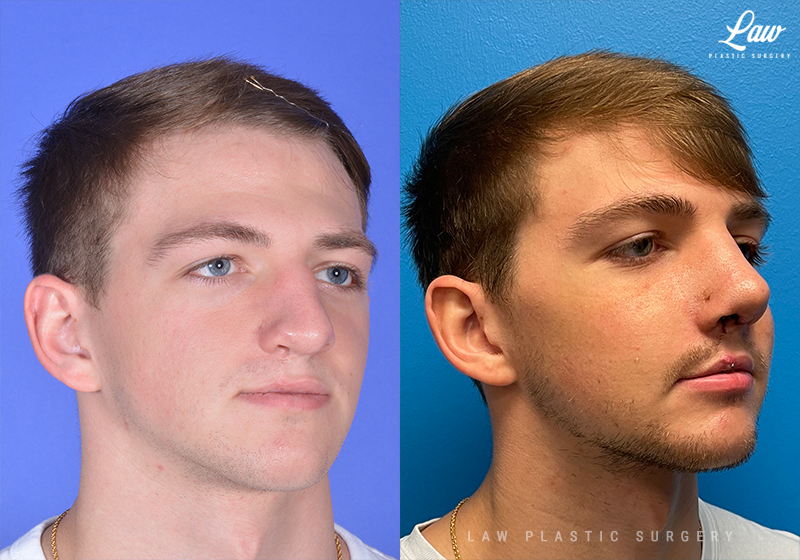
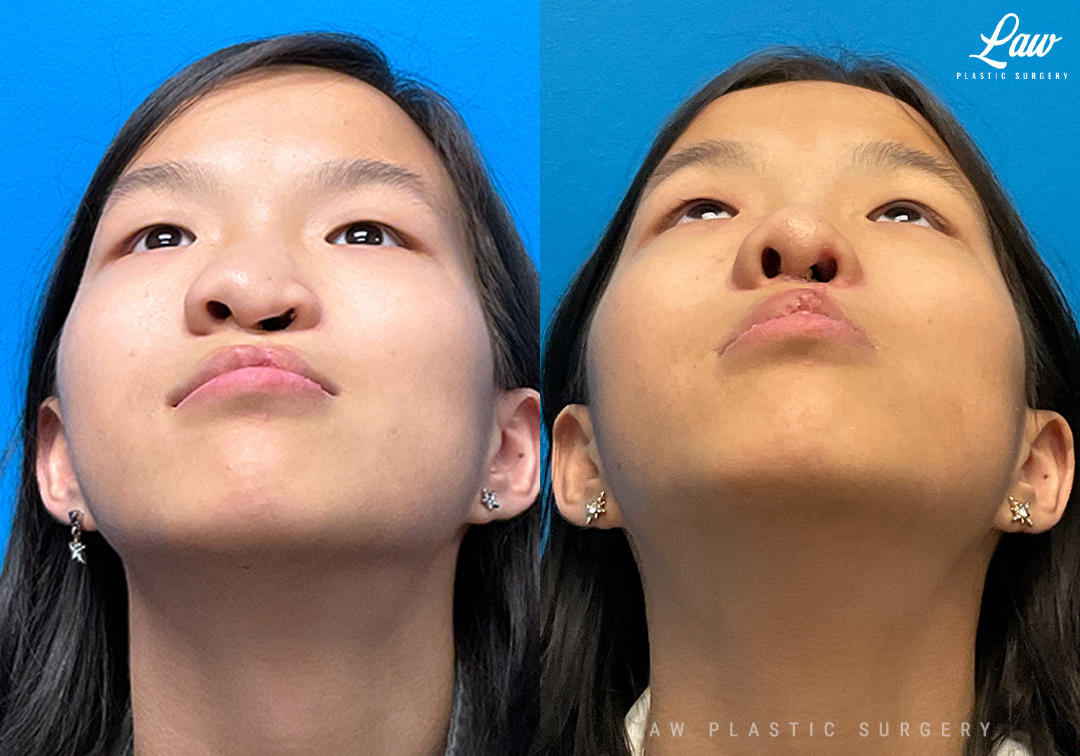
Rhinoplasty Before & Afters Photos
Click the image below to view more before and after photos.
Related Procedures