
Dallas Revision Rhinoplasty Specialist
Contact Dr. Law For your Personalized consultation
Reserve Your Consultation


Rhinoplasty FAQs Answered By Dr. Law
Dr. Huay-Zong Law – Dallas Revision Rhinoplasty Specialist
Seeking revision rhinoplasty in Dallas? Dr. Huay-Zong Law offers specialized surgical care to correct problems from previous nose surgery. If you are dealing with breathing difficulties, an unnatural appearance, or structural issues following your original surgery, scheduling a consultation with Dr. Law could be your path toward achieving the results you deserve. Don’t let a disappointing primary rhinoplasty define your nose—embrace the opportunity for improved function and aesthetics.
Things To Know About Revision Rhinoplasty
Revision rhinoplasty represents a specialized field within facial plastic and reconstructive surgery that addresses the unique challenges of correcting previous nose surgery.
- Revision rhinoplasty addresses both cosmetic and functional issues from previous nasal surgery, including structural deformities, breathing problems, and aesthetic dissatisfaction.
- Proper timing and expert surgical technique are essential for successful revision outcomes, with most surgeons recommending patients wait at least 12 months after their previous surgery.
- Dr. Huay-Zong Law specializes in complex revision cases using advanced grafting techniques, drawing on his extensive training in craniofacial and reconstructive surgery at UT Southwestern Medical Center.
Understanding Revision Rhinoplasty
Revision rhinoplasty, also called secondary rhinoplasty, is a corrective procedure performed to address issues resulting from previous rhinoplasty surgery. Unlike primary rhinoplasty, which reshapes a nose that has never undergone nasal surgery, revision surgery works with altered nasal anatomy that may include scar tissue, compromised cartilage, and changed structural support.
Patients in Dallas seek revision surgery for various reasons. Some experience cosmetic concerns such as an unnatural appearance of the nose, asymmetry, or results that don’t harmonize with their other facial features. Others face functional problems including breathing difficulties, nasal valve collapse, or a deviated septum that wasn’t properly addressed during the original surgery.
The complexity of revision rhinoplasty far exceeds that of primary and revision cases performed for the first time. Surgeons must navigate through scar tissue, work with limited cartilage availability, and reconstruct a stable nasal framework—often requiring cartilage grafts from the ear or rib. This reconstructive surgery demands exceptional expertise and meticulous attention to achieve successful outcomes.
Common Issues Requiring Revision Rhinoplasty
Several problems frequently bring patients to seek secondary rhinoplasty:
Over-resection of nasal cartilage and bone during the original surgery can cause significant structural weakness. When too much supporting tissue is removed, the nose may collapse, lose definition, or develop breathing problems over time.
Aesthetic concerns remain a primary motivation for revision. These include a pinched tip appearance, pollybeak deformity (where soft tissue accumulates above the nasal tip), bridge irregularities, and overall asymmetry that creates an unnatural appearance.
Breathing difficulties often emerge after primary rhinoplasty when the nasal airways become compromised. Nasal valve collapse, septal deviation, and inadequate airway support can significantly impact quality of life.
An unnatural appearance that doesn’t harmonize with facial features drives many revision cases. Sometimes aggressive reshaping during the first procedure leaves patients with a nose that appears too small, too upturned, or simply doesn’t match their aesthetic goals.
Technical errors from previous surgery—including misaligned osteotomies, poorly positioned grafts, or incomplete correction of underlying issues—require skilled revision to correct problems and achieve natural-looking results.
Diagnosing the Need for Revision Rhinoplasty
Dr. Huay-Zong Law employs a comprehensive evaluation process to determine if revision rhinoplasty is appropriate for each patient:
- Detailed consultation about concerns with previous rhinoplasty results, including both aesthetic dissatisfaction and functional complaints
- Review of original surgical techniques and healing patterns, ideally including operative reports from the primary surgery when available
- Physical examination of nasal structure and function, assessing airflow, external shape, skin thickness, and internal anatomy
- Assessment of scar tissue extent and available cartilage for reconstruction, determining whether septal, ear, or rib cartilage will be needed
- Computer imaging to plan the surgical approach and set realistic expectations about achievable outcomes
This thorough diagnostic process ensures that Dr. Law understands the full scope of each patient’s needs before recommending a treatment plan.
The Revision Rhinoplasty Procedure
Revision rhinoplasty is performed under general anesthesia to ensure patient comfort throughout the procedure. The duration typically ranges from 2-4 hours depending on complexity, with more extensive reconstructive cases requiring additional time for cartilage harvesting and graft placement.
Cartilage grafting forms the foundation of most revision procedures. Dr. Law may harvest grafts from the nasal septum if sufficient tissue remains, from the ear for smaller structural needs, or from rib cartilage for major reconstruction requiring robust support.
Careful reshaping techniques are employed to create a natural-looking, functional nose that complements the patient’s facial features. This requires balancing aesthetic goals with structural integrity to ensure long-term stability.
Advanced surgical techniques minimize scarring and optimize healing, including precise handling of the soft tissue envelope and strategic placement of grafts to prevent visible irregularities.
Ideal Candidates for Revision Rhinoplasty
Determining if you are a good candidate for revision rhinoplasty involves several factors:
Patients dissatisfied with previous rhinoplasty results who have specific, identifiable concerns about appearance or function are appropriate candidates. Those experiencing breathing problems after initial surgery, including nasal obstruction or valve collapse, may benefit significantly from revision.
Individuals with realistic expectations about revision outcomes understand that while substantial improvement is achievable, perfection may not be possible. Patients who have waited at least 12 months since previous surgery allow adequate time for complete healing and accurate assessment of the final result.
Good overall health and non-smoking status are essential for optimal healing. Smoking significantly impairs blood supply to nasal tissues and increases complication risks.
Financial readiness for a complex revision procedure is practical consideration, as revision rhinoplasty typically costs more than primary surgery due to increased complexity and longer operative times.
Benefits of Revision Rhinoplasty
The benefits of successful revision rhinoplasty extend beyond the nose itself:
Restoration of natural nasal appearance and facial harmony creates results that complement rather than distract from other facial features. Improved breathing function and nasal airflow can dramatically enhance quality of life, sleep quality, and overall well-being.
Correction of structural problems from previous surgery prevents further deterioration and potential functional decline. Enhanced self-confidence and quality of life often follow successful revision, as patients feel more comfortable with their appearance.
Revision rhinoplasty provides a long-term solution to persistent nasal issues, with outcomes that typically remain stable for many years when performed by an experienced surgeon.
The Revision Rhinoplasty Procedure with Dr. Huay-Zong Law
Dr. Huay-Zong Law brings specialized expertise to complex revision cases, drawing on his extensive training in craniofacial and reconstructive surgery. His surgical experience includes work with the International Craniofacial Institute and fellowship training focused on head and neck reconstructive surgery.
Dr. Law employs advanced cartilage grafting techniques for structural reconstruction, ensuring that rebuilt nasal frameworks have adequate support for long-term stability. His open approach preference allows optimal visualization and precision when working through scar tissue and reconstructing altered anatomy.
Each procedure integrates functional and aesthetic improvements, recognizing that the best outcomes address both breathing and appearance simultaneously. The surgery is performed as an outpatient procedure at an accredited operating center, allowing patients to return home the same day.
During the Revision Procedure
The surgical process follows a carefully planned sequence:
General anesthesia is administered to ensure patient comfort throughout the procedure. Once anesthesia takes effect, Dr. Law begins with careful dissection through scar tissue from previous surgery, separating the soft tissue envelope from underlying structures.
Harvest of cartilage grafts from septum, ear, or rib proceeds as needed based on pre-operative planning. The amount and type of grafts depend on the extent of reconstruction required and available donor material.
Reconstruction of the nasal framework with precise graft placement follows, rebuilding structural support while reshaping the nose to achieve aesthetic goals. This may include reinforcing the tip, straightening the bridge, or supporting the nasal valves.
Closure involves meticulous suturing of incisions and placement of nasal splints to support healing. The open approach utilizes a small incision across the columella that heals with minimal visible scarring.
Preparing for Revision Rhinoplasty
Proper preparation contributes significantly to successful outcomes:
Pre-operative consultation allows thorough review of the surgical plan and expectations, ensuring alignment between patient goals and achievable results. Medical clearance and laboratory testing confirm that patients are in optimal health for surgery.
Discontinuation of blood-thinning medications and supplements reduces bleeding risk during and after the procedure. Dr. Law provides specific instructions regarding which medications to stop and when.
Smoking cessation is essential to optimize healing, with patients typically advised to quit several weeks before and after surgery. Arrangement of post-operative care and transportation ensures a safe recovery period.
Recovery Process and Postoperative Care
The recovery process from revision rhinoplasty requires patience and adherence to postoperative instructions:
The initial recovery period involves wearing a nasal splint for 7-10 days to support healing and maintain the new nasal shape. Management of swelling, bruising, and mild discomfort during the first week is normal, with most patients finding pain well-controlled with prescribed medications.
Gradual return to normal daily routines occurs over 2-3 weeks, with most patients resuming non-strenuous work within this timeframe. Avoidance of strenuous exercise for 6 weeks protects the healing nasal structures.
The long-term healing process extends up to 12 months or longer, particularly for swelling in the nasal tip to fully resolve. Regular follow-up appointments allow Dr. Law to monitor progress and address any concerns throughout recovery.
Light exercise may resume earlier, but patients should expect some residual swelling that fluctuates during the first several months.
Combining Revision Rhinoplasty with Other Procedures
Revision rhinoplasty can be combined with other procedures to address multiple concerns simultaneously:
Integration with septoplasty corrects breathing improvements related to a deviated septum. Combination with turbinate reduction when appropriate further enhances nasal airflow. Coordination with sinus surgery may be indicated for patients with chronic sinusitis.
The benefits of addressing multiple nasal issues simultaneously include comprehensive correction and a single recovery period. This approach reduces overall downtime compared to staging separate surgeries and ensures that all components heal together harmoniously.
Long-Term Benefits of Revision Rhinoplasty
Successful revision rhinoplasty delivers lasting improvements:
Permanent improvement in nasal appearance and function represents the primary outcome, with results that remain stable over time. Resolution of breathing difficulties from previous surgery enhances quality of life in measurable ways.
Enhanced facial balance and proportion creates a nose that complements rather than dominates the face. Increased confidence in social and professional settings often follows successful revision.
Prevention of further nasal deterioration protects the investment in revision surgery, with properly reconstructed structures maintaining their form and function for years to come.
Scheduling a Revision Rhinoplasty Consultation with Dr. Law
If you are looking for an experienced, compassionate, board certified, and highly skilled plastic surgeon with expertise in complex nasal reconstruction, contact Law Plastic Surgery today. Dr. Huay-Zong Law is dedicated to providing each patient with exceptional care and natural-looking results.
Law Plastic Surgery is conveniently located at 7777 Forest Ln, C-528, Dallas, TX 75230. To schedule a consultation, call (214) 241-1997. Taking the first step toward correcting your previous rhinoplasty results is just a phone call away. Online consultation options may also be available for initial discussions.
Choosing Dr. Law for Your Revision Rhinoplasty
In summary, revision rhinoplasty offers a transformative solution for patients dealing with unsatisfactory results from previous nose surgery. By combining structural reconstruction with aesthetic refinement, patients can achieve improved breathing, natural appearance, and enhanced quality of life.
Dr. Huay-Zong Law’s specialized training in complex nasal reconstruction, combined with his board certification and extensive experience in revision cases, positions him to handle even challenging secondary rhinoplasty procedures. His commitment to natural-looking, functional results reflects a highly individualized approach to each patient’s unique anatomy and goals.
Choose Dr. Law for your revision rhinoplasty and benefit from state-of-the-art surgical techniques, comprehensive pre-operative planning, and dedicated postoperative care throughout your recovery process.
Frequently Asked Questions
What is revision rhinoplasty and when is it needed?
Revision rhinoplasty is corrective nasal surgery performed to address problems from previous rhinoplasty. It is needed when patients experience cosmetic concerns, breathing difficulties, or structural issues following their original surgery that cannot be resolved through non-surgical means.
How long must I wait after my first rhinoplasty before considering revision?
Most surgeons recommend waiting at least 12 months after primary rhinoplasty before undergoing revision surgery. This allows swelling to fully resolve and tissues to stabilize, ensuring accurate assessment of what needs correction.
What makes revision rhinoplasty more complex than primary surgery?
Revision rhinoplasty is more complex because the surgeon must work with altered nasal anatomy, scar tissue, and potentially limited cartilage availability. The original surgical changes create challenges that require specialized expertise to navigate effectively.
What types of grafts are used in revision rhinoplasty?
Cartilage grafts may be harvested from the nasal septum if adequate tissue remains, from the ear for smaller structural needs, or from rib cartilage for major reconstruction requiring robust support. The choice depends on the extent of reconstruction needed.
How long does recovery from revision rhinoplasty take?
Initial recovery involves wearing a nasal splint for 7-10 days, with most patients returning to normal daily routines within 2-3 weeks. However, complete healing and final results may take 12 months or longer as residual swelling resolves.
How do I schedule a consultation with Dr. Huay-Zong Law?
To schedule a consultation with Dr. Huay-Zong Law, call Law Plastic Surgery at (214) 241-1997. The practice is located at 7777 Forest Ln, C-528, Dallas, TX 75230.
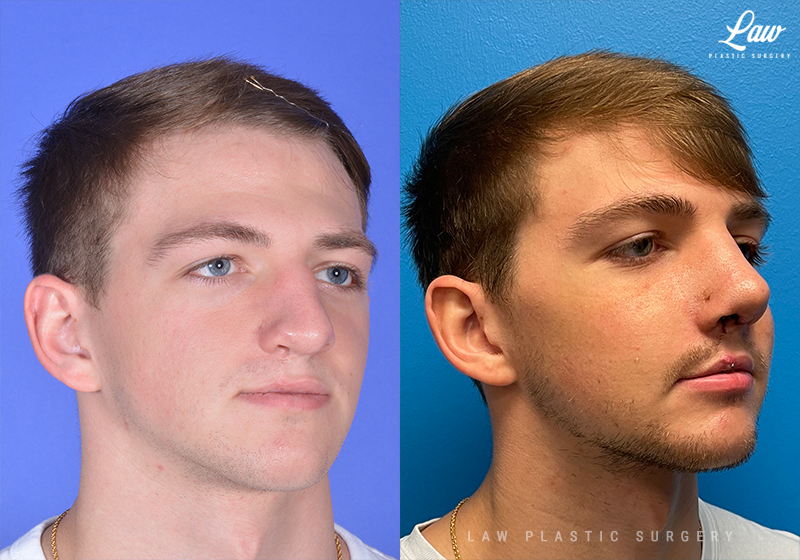
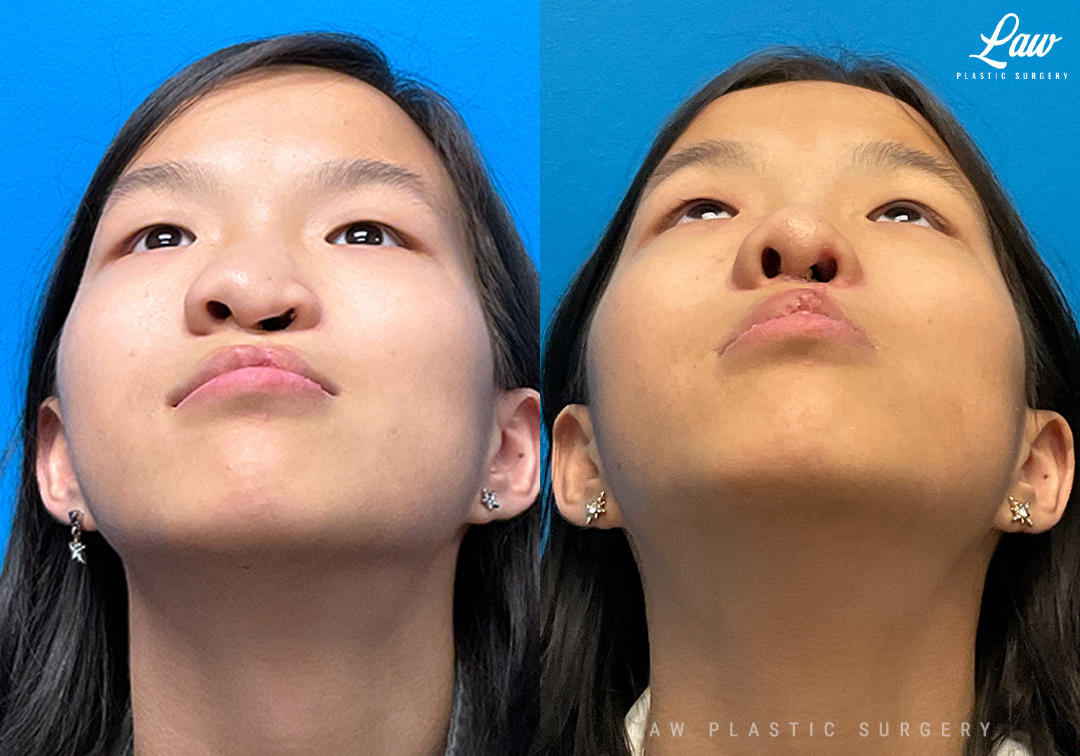
Rhinoplasty Before & Afters Photos
Click the image below to view more before and after photos.
Related Procedures